In the heart of the Arabian Peninsula, where desert winds carry stories of ancient trade routes and pearl diving expeditions, Qatar’s culinary landscape tells a tale as rich and complex as its history. This small nation, cradled between the Persian Gulf’s azure waters and endless golden dunes, has cultivated a food culture in Qatar’s top-rated restaurants that reflects centuries of maritime trade, Bedouin heritage, and the generous hospitality that defines Arab culture.
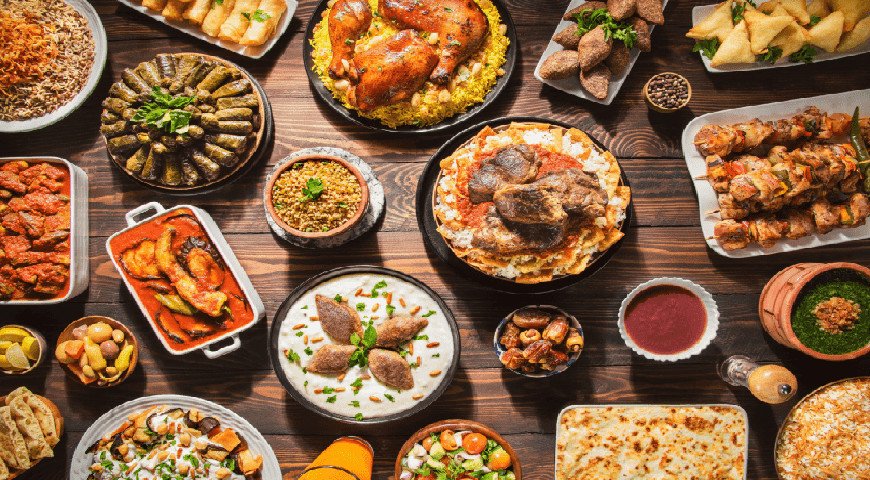
Qatari cuisine is more than just sustenance—it’s a celebration of community, tradition, and the art of transforming simple ingredients into extraordinary experiences. From the aromatic spice blends that perfume family kitchens to the elaborate feasts that mark special occasions, every dish carries the essence of a culture that values both heritage and hospitality.
The Soul of Qatari Cuisine – Best Food in Qatar
Before we embark on this flavorful journey, it’s important to understand what makes Qatari food unique. The cuisine draws heavily from Bedouin traditions, where meals were designed to nourish travelers crossing vast deserts. The influence of Persian, Indian, and Levantine cuisines—brought by centuries of trade and cultural exchange—adds layers of complexity to traditional recipes. Seafood plays a starring role, thanks to Qatar’s extensive coastline, while rice, dates, and aromatic spices form the foundation of countless dishes.
The Foundations of Qatari Cuisine
| Culinary Influence | Time Period | Key Contributions | Example Dishes |
|---|---|---|---|
| Bedouin Heritage | Pre-7th century | Desert survival techniques, one-pot meals, preserved ingredients | Machboos, Harees, Thareed |
| Persian Trade | 16th-18th century | Spice blending, sweet pastries, rice techniques | Khanfaroosh, Balaleet |
| Indian Ocean Commerce | 18th-19th century | Complex spicing, curry techniques, tea culture | Saloona, Karak, spice blends |
| Levantine Immigration | 20th century | Stuffing techniques, fresh herbs, Mediterranean flavors | Kousa Mahshi, various mezze |
Traditional Dishes: A Historical Journey of the Best Food in Qatar
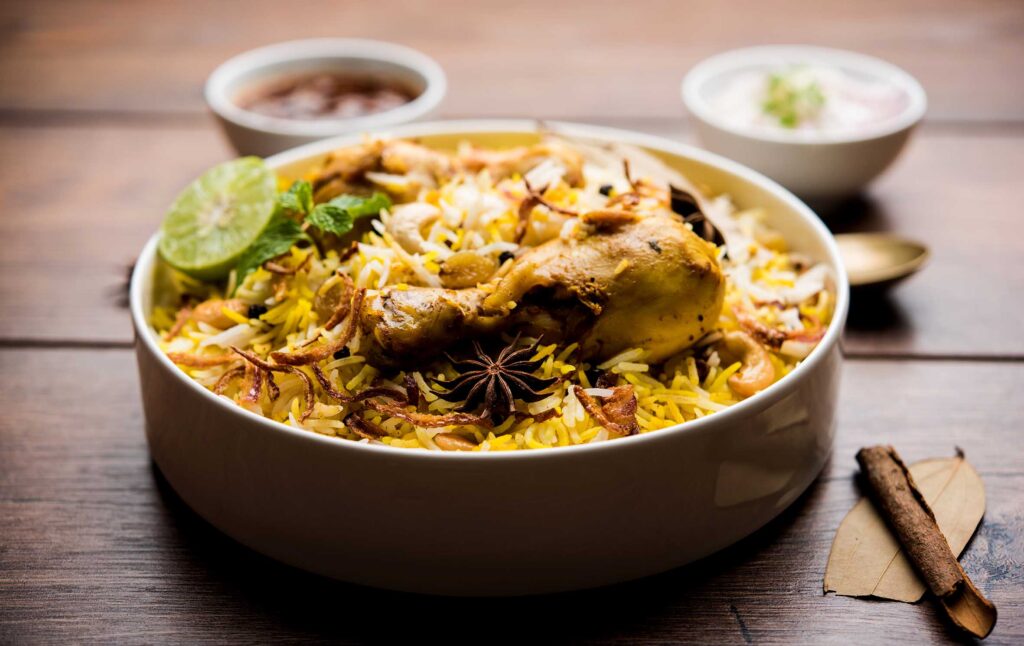
1. Machboos (مجبوس) – The Crown Jewel
Historical Background:
- Origins: 1,000+ years old, ancient Arabian trade routes
- Name etymology: From Arabic “kabasa” (to press)
- Development periods:
- Pre-Islamic Bedouin necessity cooking
- 18th-19th century: Pearl diver spice trading enhanced flavors
- British protectorate era: Indian merchant influence refined techniques
- Modern era: Each family developed secret spice combinations
Cultural Significance:
- Marked successful pearl diving expeditions
- Wedding and celebration centerpiece
- Symbol of family unity and Islamic sharing principles
Where to Find & How to Make:
- Best locations: Al Mourjan Restaurant (West Bay), family homes, Souq Waqif
- Key ingredients: Basmati rice, lamb/chicken, machboos spice mix, dried limes
- Cooking method: Brown meat → caramelize onions → add spices → layer rice → steam 30 minutes
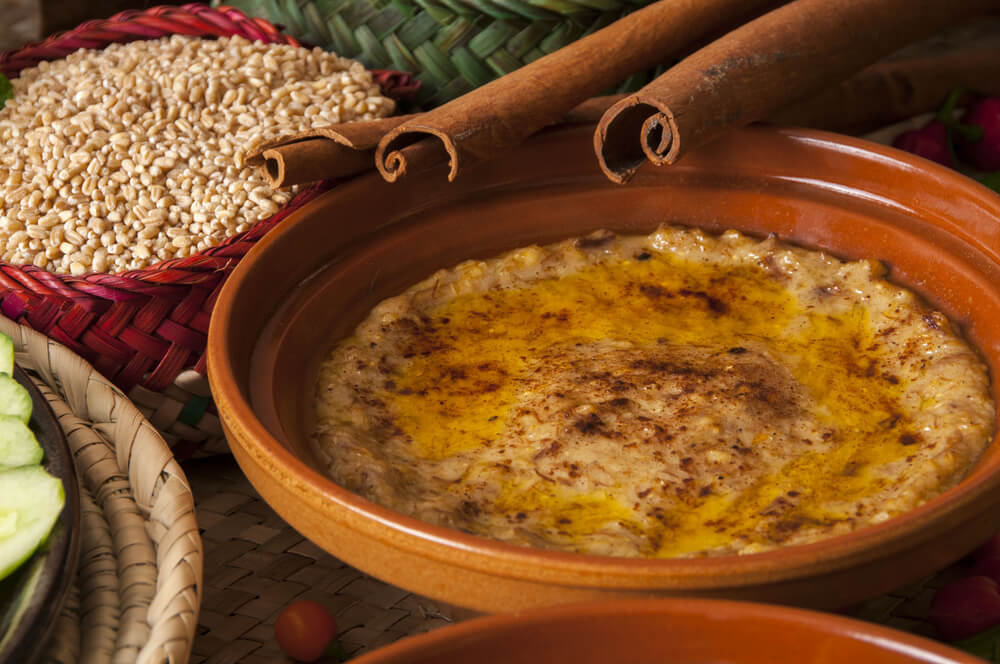
2. Harees (هريس) – The Ancient Comfort Food
Historical Background:
- Origins: 2,500+ years old, ancient Mesopotamian armies
- Religious significance: Mentioned in 9th-century Islamic texts as a nobleman’s food
- Qatar-specific history:
- Pearl diving era: Sustained divers during harsh seasons
- Community preparation: Women gathered for hours-long stirring rituals
- Ramadan tradition – Garangao: Associated with charity and religious observance
- Social function: Storytelling and cultural transmission during preparation
Preparation Traditions:
- Used stone mortars called “madhakka” for stirring
- Communal cooking in neighborhood courtyards
- Meditative, rhythmic preparation process
Where to Find & How to Make:
- Best locations: Traditional homes during Ramadan, Majlis Al Sultan, local mosques (some of the best tourist destinations in Qatar)
- Key ingredients: Whole wheat, lamb/chicken, traditional spices
- Cooking method: Soak wheat → boil meat → slow-cook 4-5 hours with constant stirring
3. Luqaimat (لقيمات) – Golden Celebration Drops
Historical Background:
- Origins: Abbasid Caliphate courts (750-1258 CE), Baghdad
- Etymology: “Luqma” (morsel) + diminutive suffix = “precious little bites”
- Qatar timeline:
- Medieval period: Arrived via trade routes
- Pearl diving era: Welcome-home celebration food for returning fleets
- Ramadan tradition: Quick energy source for iftar
- Community significance: Teaching tool for cooking techniques
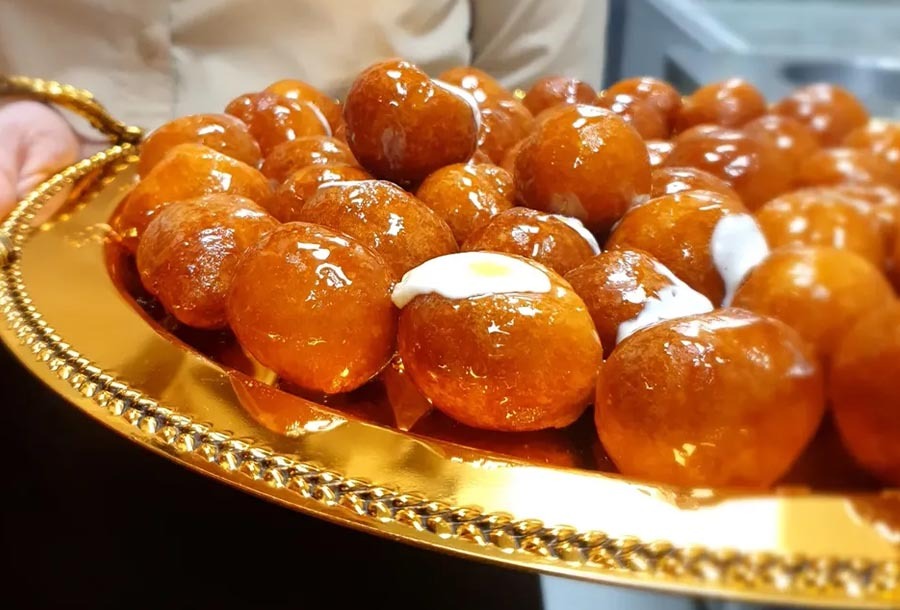
Cultural Symbolism:
- Golden color represented prosperity and divine blessing
- Demonstrated host generosity with expensive sugar/date syrup
- Associated with joy, celebration, and gratitude
Where to Find & How to Make:
- Best locations: Souq Waqif street vendors, Al Aker Sweets, local festivals
- Key ingredients: Flour, yeast, date syrup or honey
- Cooking method: Rise batter 2 hours → fry until golden → drizzle with syrup
4. Khanfaroosh (خنفروش) – Persian Artistry
Historical Background:
- Origins: 16th-century Safavid dynasty, Persian royal courts
- Etymology: Persian “khan” (noble) + “faroosh” (seller) = “fit for nobility”
- Migration to Qatar:
- 18th century: Persian political upheavals brought skilled artisans
- Pearl trade connections: Persian merchants settled in Qatar
- Cultural adaptation: From courtly delicacy to festival favorite
- Eid traditions: Rose-shaped symbolism of paradise and beauty

Artisanal Tradition:
- Hand-shaping technique passed through generations
- Symbol of cultural preservation during modernization
- Teaching tool for fine motor skills and patience
Where to Find & How to Make:
- Best locations: Traditional bakeries, Eid festivals, heritage restaurants
- Key ingredients: Flour, eggs, rose water, powdered sugar
- Cooking method: Make dough → roll thin → shape roses → deep fry → dust with sugar
5. Balaleet (بلاليط) – Sweet Meets Savory
The Story Behind the Dish
This unique breakfast dish showcases the Qatari palate’s appreciation for the interplay between sweet and savory flavors. Balaleet has Persian origins but has been thoroughly adopted and adapted by Qatari cooks, becoming a breakfast staple in many households.
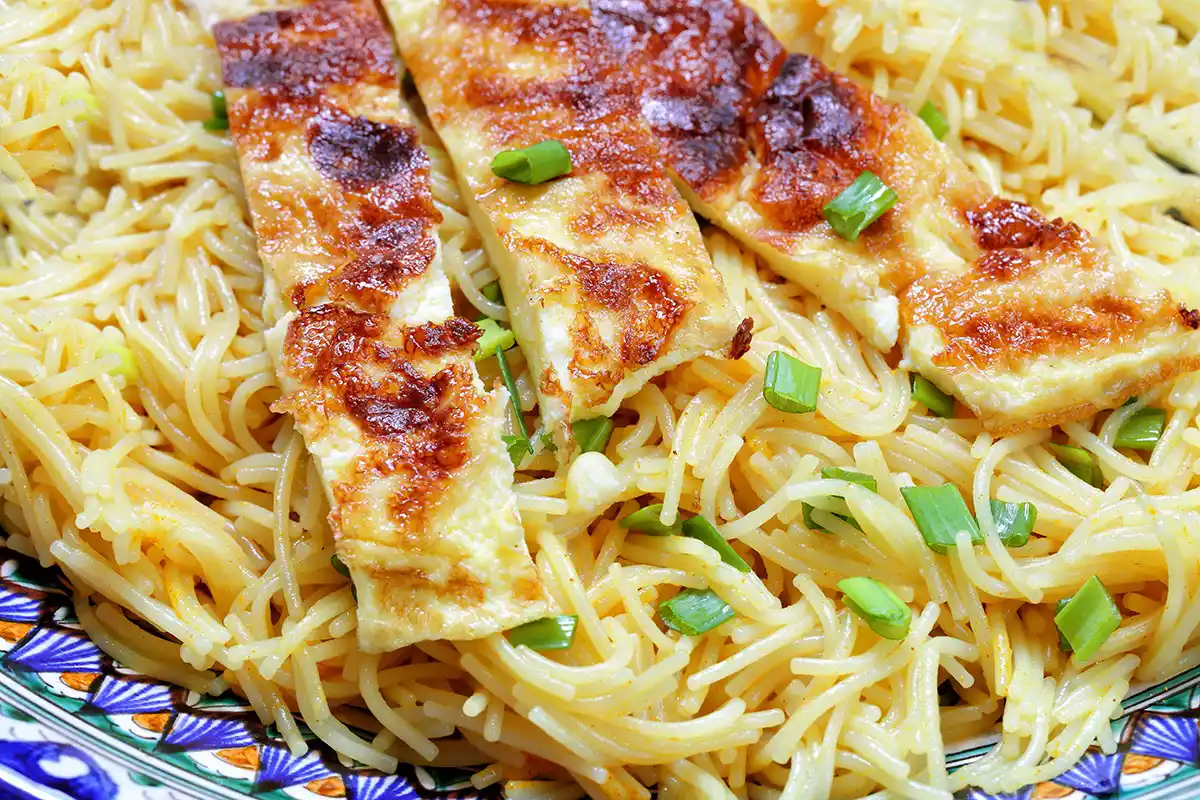
Why It’s Beloved
The combination of sweet vermicelli topped with a savory omelet creates a flavor profile that’s both comforting and exciting. It’s the kind of dish that brings back childhood memories for many Qataris.
Where to Find It
- Traditional Qatari breakfast spots
- Hotel breakfast buffets featuring local cuisine
- Family homes during weekend brunches
Regional Specialties Comparison
| Dish | Historical Era | Primary Influence | Traditional Occasion | Cooking Time |
|---|---|---|---|---|
| Machboos | 1000+ years | Bedouin + Indian spices | Daily meals, celebrations | 2 hours |
| Harees | 2500+ years | Ancient Mesopotamian | Ramadan, charity meals | 5-6 hours |
| Madrooba | 17th century | Coastal fishing culture | Pearl diving returns | 1.5 hours |
| Thareed | 7th century | Prophetic tradition | Religious gatherings | 2 hours |
| Balaleet | 15th century | Persian breakfast culture | Morning meals | 30 minutes |
6. Madruoba (مضروبة) – The Fisherman’s Heritage
Thareed holds special significance in Islamic culture, as it was reportedly one of Prophet Muhammad’s favorite dishes. This traditional stew served over thin bread represents the spiritual dimension of Qatari cuisine, where food connects people not just to each other, but to their faith and history.
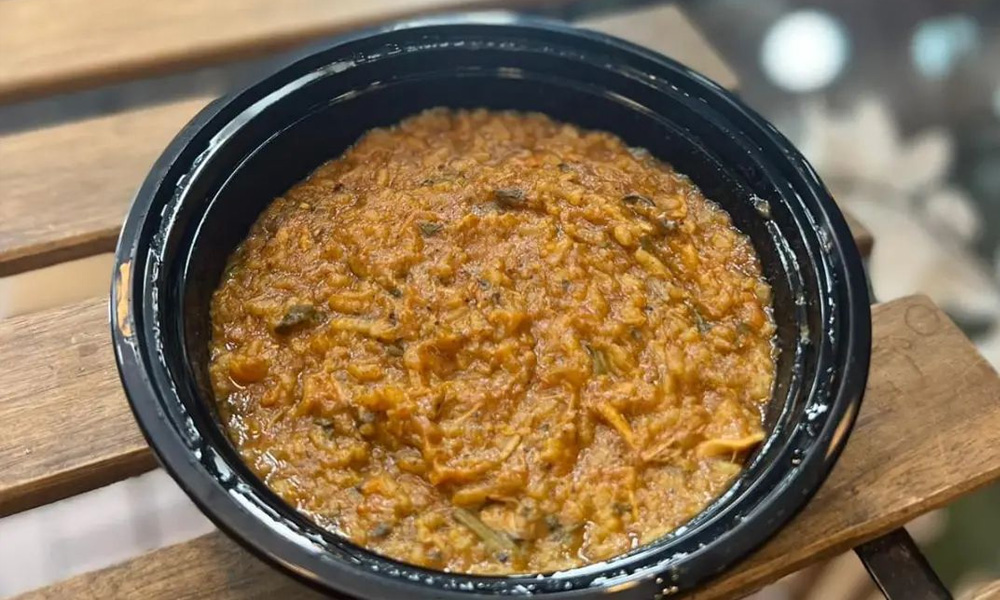
Why It’s Beloved
Beyond its religious significance, thareed is comfort food par excellence. The soft bread soaks up the rich, spiced broth, creating a warming meal perfect for cooler evenings.
Historical Development:
- 17th-century origins: Fishing communities of Al Wakra and Al Khor
- Pearl diving necessity: Sustained divers during months-long expeditions
- Community preparation: Shared daily catch among fishing families
- Modern evolution: Symbol of maritime heritage and resourcefulness
Traditional Techniques:
- Wooden paddles called “mikhabba” for beating
- Communal kitchens for shared preparation
- Texture development through specific beating patterns
7. Thareed (ثريد) – The Blessed Stew
Prophetic Heritage:
- 7th century: Documented favorite of Prophet Muhammad
- Early Islamic conquests: Sustained Muslim armies across territories
- Bedouin adaptation: Perfect for desert caravan journeys
- Qatar’s significance: A Welcome feast for returning pearl divers
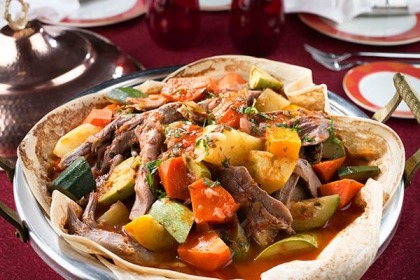
Spiritual Dimensions:
- Following prophetic tradition (sunnah)
- Charity meal preparation during religious events
- Connection between food and faith
Where to Find It
- Traditional Qatari restaurants
- Religious celebrations and community meals
- Al Tawash Restaurant: Serves an excellent traditional version
8. Saloona (سلونة) – The Spice Route Legacy
The Story Behind the Dish
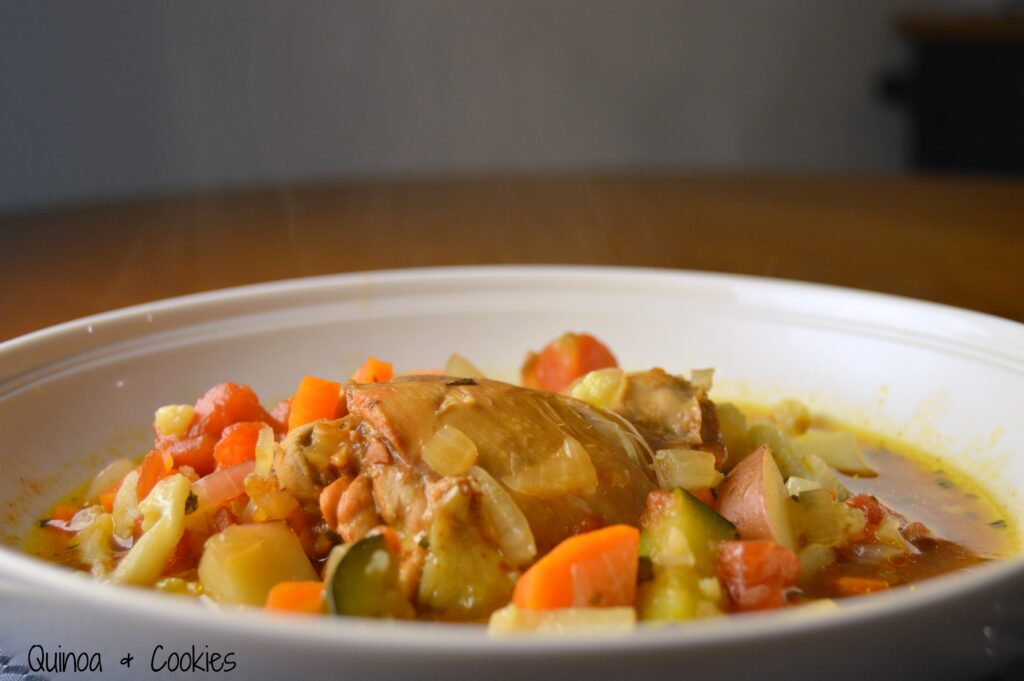
Saloona is Qatar’s answer to curry, reflecting the Indian subcontinent’s influence on local cuisine. This vegetable and meat stew showcases the Qatari love for bold flavors and aromatic spices.
Why It’s Beloved
The versatility of saloona makes it a weeknight favorite—any combination of vegetables and meat can be transformed into this comforting stew.
Historical Background:
- Origins: 16th-17th century Indian Ocean trade networks
- Cultural fusion: Indian curry techniques + Arabian ingredients
- Qatar adaptation: Modified for the local palate and available vegetables
- Family evolution: Each household developed unique spice combinations
Trade Route Influence:
- The monsoon trading season brought Indian merchants
- Spice knowledge exchange in pearl diving ports
- Gradual integration into daily Qatari cooking
Where to Find It
- Home kitchens across Qatar
- Indian-Qatari restaurants
- Traditional family gatherings
9. Qatari Kabsa (كبسة قطرية) – The Festive Feast
The Story Behind the Dish
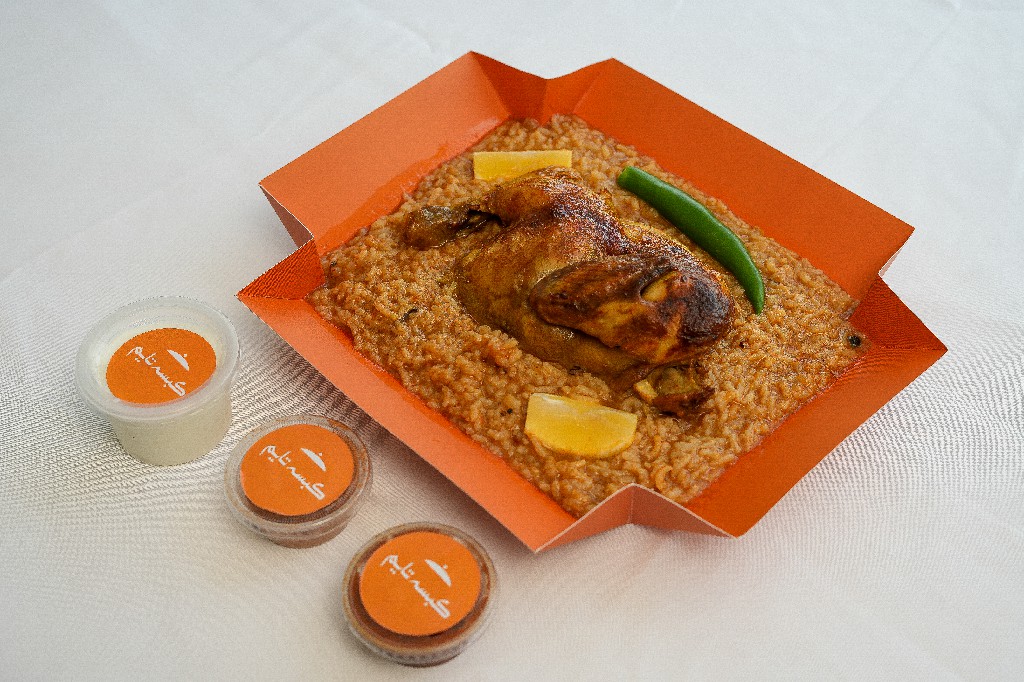
While kabsa is popular throughout the Arabian Peninsula, the Qatari version has its own distinctive character. This celebration dish is prepared for weddings, Eid, and other joyous occasions, with each family adding its own special touches.
Why It’s Beloved
Kabsa represents abundance and celebration. The sight of a large platter of colorful rice surrounded by tender meat brings joy to any gathering.
Celebration Traditions:
- Historical role: Wedding celebrations and major festivals
- Regional variations: Each Gulf state developed distinct versions
- Qatar specifics: Incorporated local seafood and desert game
- Modern significance: Symbol of abundance and hospitality
Where to Find It
- Wedding celebrations and festivals
- Traditional restaurants specializing in Gulf cuisine
- Special family occasions
10. Karak Tea (شاي كرك) – Liquid Hospitality
The Story Behind the Dish
While technically a beverage, karak tea is so integral to Qatari culture that it deserves mention. This spiced tea blend came with Indian workers but has become thoroughly Qatari, served in small glasses throughout the day.
Why It’s Beloved
Karak is more than a drink—it’s a ritual of hospitality. No meeting, no conversation, no moment of rest is complete without the offer of karak tea.
Cultural Integration Timeline:
- 1960s-1970s: Arrived with Indian and Pakistani workers
- Rapid adoption: Became integral to Qatari daily life
- Social function: Hospitality, ritual, and conversation starter
- Modern status: More Qatari than many “traditional” dishes
Where to Find It
- Street vendors throughout Doha
- Tea shops in Souq Waqif
- Every Qatari workplace and home
11. Muhammar (محمر) – The Golden Rice
The Story Behind the Dish
This sweet rice dish bridges the gap between main course and dessert. Traditionally served during special occasions, muhammar showcases the Qatari love for dishes that can be both satisfying and celebratory.
Why It’s Beloved
The beautiful golden color from turmeric and the sweet-savory flavor profile make muhammar a unique addition to any feast.
Sweet Rice Heritage:
- Persian origins: Court cuisine, sweet rice preparations
- Festival significance: Eid and celebration accompaniment
- Color symbolism: Turmeric gold represented prosperity
- Dual nature: Bridge between main course and dessert
Where to Find It
- Special occasion menus in traditional restaurants
- Cultural heritage events
- Family celebrations and holidays
12. Margoog (مرقوق) – The Pasta of the Desert
The Story Behind the Dish
Margoog represents the ingenuity of Bedouin cooks who created their own version of noodles using simple flour and water. These hand-rolled pasta strips are cooked in a rich stew, creating a hearty meal perfect for desert life.
Why It’s Beloved
The handmade noodles have a unique texture that perfectly absorbs the rich, spiced broth. Making margoog is often a family activity, with everyone helping to roll the dough.
Where to Find It
- Traditional Bedouin-style restaurants
- Cultural festivals and heritage events
- Family celebrations in Qatari homes
13. Umm Ali (أم علي) – The Mother of All Desserts
The Story Behind the Dish
This bread pudding-style dessert has Egyptian origins but has been warmly embraced by Qatari cuisine. Legend says it was created by a cook named Ali’s mother, hence “Umm Ali” (Ali’s Mother). It’s now a staple dessert across the Gulf.
Why It’s Beloved
Served warm and creamy, Umm Ali provides the perfect ending to a traditional Qatari meal. The combination of textures—crispy pastry, creamy milk, and crunchy nuts—creates pure indulgence.
Where to Find It
- Traditional Middle Eastern restaurants
- Hotel dessert menus
- Home kitchens during special occasions
14. Majboos Samak (مجبوس سمك) – The Fisherman’s Rice
The Story Behind the Dish
While machboos typically features meat, majboos samak celebrates Qatar’s maritime heritage with fresh Gulf fish. This dish evolved in coastal communities where the day’s catch determined the evening’s meal.
Why It’s Beloved
The delicate flavors of Gulf fish paired with aromatic rice create a dish that’s both elegant and deeply satisfying. Each bite connects diners to Qatar’s seafaring past.
Where to Find It
- Coastal restaurants in Al Khor
- Fish markets with attached restaurants
- Traditional fishing villages
15. Kousa Mahshi (كوسا محشي) – Stuffed Perfection
The Story Behind the Dish
This stuffed zucchini dish reflects the Levantine influence on Qatari cuisine, brought by Palestinian and Lebanese immigrants who made Qatar their home. The technique of hollowing out vegetables and stuffing them with rice and meat has become a beloved part of Qatari family cooking.
Why It’s Beloved
Kousa mahshi represents patience and love—the careful preparation required to hollow out each zucchini and stuff it with the perfect mixture shows the cook’s dedication to their family.
Where to Find It
- Home kitchens across Qatar
- Lebanese restaurants in Doha
- Traditional family gatherings
Quick Reference: Where to Find Authentic Dishes
| Restaurant/Location | Specialty Dishes | Atmosphere | Price Range |
|---|---|---|---|
| Al Mourjan Restaurant | Machboos, Majboos Samak | Upscale, waterfront | High |
| Souq Waqif Traditional Spots | Luqaimat, Karak, multiple dishes | Historic, authentic | Medium |
| Al Bandar Restaurant | Madrooba, coastal specialties | Traditional, family-style | Medium |
| Local Family Homes | All dishes, most authentic | Intimate, cultural immersion | Invitation only |
| Majlis Al Sultan | Harees, traditional stews | Heritage atmosphere | Medium-High |
Street Food and Everyday Snacks
Qatar’s street food culture is lively, offering budget-friendly bites with authentic flavors.
- Shawarma – A staple across Doha; Al Sadd and Matar Qadeem neighborhoods are shawarma hubs.
- Regag Bread – Thin crepe-like bread topped with eggs, cheese, or honey; best enjoyed hot at Souq Waqif.
- Karak Chai – Qatar’s signature spiced tea; don’t miss Chapati & Karak at Katara
- Samosas & Falafel – Popular during Ramadan and evening snacks.
Travel Tip: Try street food during evenings at Souq Waqif — the market atmosphere makes every bite taste better.
International Flavors in Qatar
Qatar’s expat population brings global cuisines to its dining tables. Here’s a taste of what to expect:
- Indian & Pakistani Food
- Biryani Express (Najma) – Known for its Hyderabadi biryani.
- Zaffran Dining Experience – Fine Indian dining with a modern touch.
- Turkish & Middle Eastern Cuisine
- Sukar Pasha Ottoman Lounge (Nearby Katara Beach) – Famous for kebabs and baklava.
- Layali Al Qahira – For Egyptian classics like koshari. Experience them in the best Turkish restaurants in Qatar
- Nobu Doha (Four Seasons) – World-renowned Japanese cuisine with a view.
- Hakkasan Doha – Michelin-star Cantonese dining at St. Regis.
- Mediterranean Delights
- Al Mourjan (Corniche) – Lebanese mezze with a sea view.
- Byblos Sur Mer – Authentic Lebanese fine dining.
Best Food Spots in Qatar
| Location | What to Try | Experience |
|---|---|---|
| Souq Waqif | Shawarma, regag, traditional sweets | Bustling market with authentic vibes |
| Katara Cultural Village | Turkish grills, karak tea, luqaimat | Cultural & seaside dining |
| The Pearl-Qatar | Fine dining – seafood, Japanese, Mediterranean | Luxury marina views |
| Doha Corniche | Local street snacks, seafood | Perfect for evening strolls |
| West Bay | International fusion, high-end steakhouses | Modern skyline dining |
Hidden Gems & Local Favorites in Qatar
- Shay Al Shamoos (Souq Waqif) – Run by a Qatari woman serving homestyle breakfasts.
- Al Jasra Traditional Food – For authentic Qatari cooking in Souq Waqif.
- Tea Time Café (Multiple Branches) – Famous for strong Karak tea.
- Turkey Central (Al Sadd) – A legendary spot for shawarmas and grills.
Food Festivals and Events in Qatar
- Qatar International Food Festival (QIFF) – Annual event featuring celebrity chefs, food trucks, and cultural cuisines.
- Ramadan Food Tents – Lavish buffets and Iftar spreads across luxury hotels.
- Cultural Food Days at Katara Cultural Village – Celebrations highlighting different cuisines of Qatar’s expat communities.
The Cultural Tapestry of Flavors
Modern Preservation Efforts
- Heritage festivals showcasing traditional cooking
- Government initiatives to document family recipes
- Cooking classes for younger generations
- Restaurant programs featuring authentic preparation methods
What Makes These Dishes Special
- Communal preparation: Recipes designed for family involvement
- Seasonal significance: Tied to religious and cultural calendars
- Adaptability: Evolved with available ingredients while maintaining core identity
- Storytelling vehicle: Each dish carries family and national memories
- Hospitality expression: Food as a demonstration of generosity and welcome
The Living Tradition of Food In Qatar
These dishes represent more than historical curiosities—they’re living traditions that continue to evolve while maintaining their essential character. In modern Qatar’s gleaming towers and bustling souqs, families still gather around platters of machboos, still share stories over glasses of karak, and still pass down the patient art of preparing harees.
Whether you’re exploring Doha’s restaurant scene or blessed with an invitation to a Qatari home, these traditional dishes offer a taste of history, a lesson in hospitality, and a connection to the enduring spirit of Arabian Gulf culture.
Tips for Food Lovers Visiting Qatar
- Try Local Breakfasts: Balaleet, regag, and karak tea in Karak Mqanes make mornings memorable.
- Don’t Skip Street Food: Souq Waqif is the heart of authentic flavors.
- Explore Beyond Doha: Cities like Al Wakrah and Al Khor also offer hidden food gems.
- Dress Code: Some traditional restaurants may prefer modest attire.
- Reservations: High-end restaurants (like Nobu and Hakkasan) require bookings.
Conclusion – A Taste of Tradition in Modern Qatar
As Qatar continues to evolve as a global destination, its traditional cuisine remains a cornerstone of cultural identity. In the gleaming towers of West Bay, families still gather around platters of machboos. In the historic alleys of Souq Waqif, the aroma of karak tea and luqaimat fills the air just as it has for decades.
These dishes tell the story of a nation—from the pearl diving boats that brought prosperity, to the Bedouin camps that fostered resilience, to the modern kitchens where traditions continue to thrive. Each meal is an invitation to partake in this rich heritage, to taste the history and hospitality that define Qatar.
Whether you’re exploring the bustling restaurants of Doha or enjoying a home-cooked meal with a Qatari family, these traditional dishes offer more than just nourishment—they provide a window into the soul of a culture that values community, celebrates abundance, and never forgets to honor its past while embracing its future.
Experience Qatar through its cuisine, and you’ll discover that the real treasure of this Arabian Peninsula nation isn’t found in its museums or markets—it’s shared around the dinner table, one delicious bite at a time.
FAQs About the Best Food in Qatar
| 1. What food is Qatar famous for? Qatar is most famous for Machboos, Harees, and Luqaimat. |
| 2. Is vegetarian food available in Qatar? Yes, many Indian, Lebanese, and international restaurants offer vegetarian and vegan dishes. |
| 3. Where can tourists try authentic Qatari food? Souq Waqif, SMAT Restaurant, and Al Tawash are great places to try traditional dishes. |
| 4. What is the most popular drink in Qatar? Karak Chai is the most loved drink, available almost everywhere. |
| 5. Does Qatar host food festivals? Yes, the Qatar International Food Festival is one of the biggest culinary events in the region. |